In developing countries, ...
Published by Jeanette Powell, Environmental Affairs Coordinator
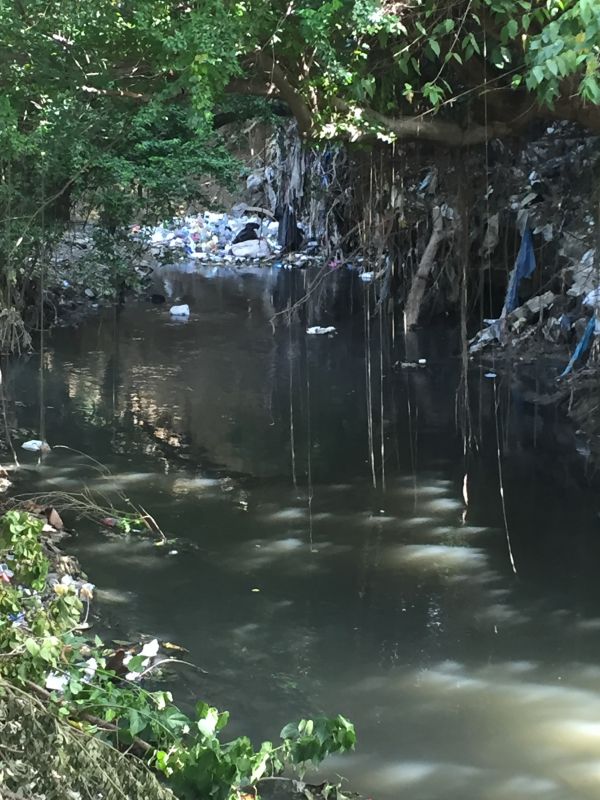
In developing countries, water is a different resource than it is in "first world" countries. Rivers aren't drinking water supplies, they are used to manage waste - people discard refuse and sanitary waste in the river and it magically moves downstream during the next storm event. When people are focused on their basic daily needs and are also receiving aid from others to meet their needs, they aren't going to see the value in creating basic infrastructure and sustainable water quality resource protections - buzzwords that we first worlders casually throw around on a daily basis.
Aid groups providing isolated infrastructure and bottled water in developing countries help disincentivize the local citizenry from engaging in the development of widespread infrastructure and waste management and support of long term water quality protection rules and policies. They have clean water. It comes in bottles. That allows them to focus on other things... like their next meal, clothing or housing. More aid needs to be focused on teaching and enabling self-directed improvements rather than providing. True change has to come from within.
In history, there is great wisdom. It was not that long ago that the U.S. - where we now readily enjoy drinkable, fishable, and swimmable surface waters - lacked widespread infrastructure and had extreme water quality issues (ref. 1934 New Deal that provided millions of citizens with work constructing infrastructure projects and 1969 Cuyahoga River fire, which was the catalyst for the Environmental Protection Agency to implement water quality regulations).
This is a current photo from a developing country: