The Water Network research ...
Published by Water Network Research, Official research team of The Water Network
The Water Network research team has consolidated an answer to the above question.
Further input from members is welcome and appreciated.
Free open-source software which can be used for designing a wastewater treatment plant:
- BioWin
- SWMM
- OpenModelica
- STOAT
- ASIM
- Steady *
1.BioWin
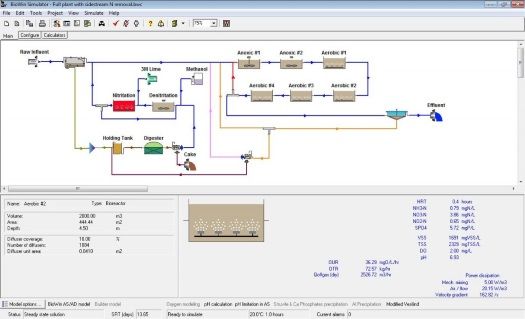
BioWin is used to design, upgrade and optimize wastewater treatment plants (WWTP). BioWin is a wastewater treatment process simulator with focus on the biological, chemical and physical process.
BioWin is very easy to use and customizable. Additionally, pre-configured flowsheets and available.
2.Storm Water Management Model (SWMM)
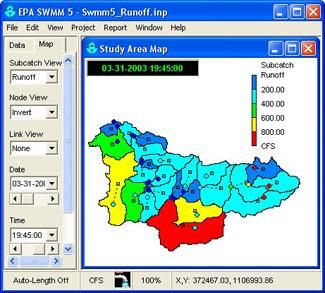
SWMM is used for drainage systems mostly in urban areas, but has applications in non-urban areas too.
It is used for planning, analysis and design of stormwater runoff and sanitary sewers.
SWMM is a dynamic hydrology-hydraulic water quality simulation model.
It is used both for events and continuous simulations of runoff quality and quantity in all the subcathchments. It tracks the flow rate, flow depth, and quality of water in each pipe and channel.
SWMM 5 includes low impact development (LID) controls is the model:
- Permeable pavement
- Rain gardens
- Green roofs
- Street planters
- Rain barrels
- Infiltration trenches
- Vegetative swales
It therefore ensures a precise picture of influence of combinations of LID controls in managing stormwater and combined sewer overflows.
SWMM can approximate the pollutant loads in stormwater runoff.
* Some examples of documents which used SWMM:
Storm Water Management Model Reference Manual
Storm Water Management Model, Quality Assurance Report: Dynamic Wave Flow Routing
3.OpenModelica
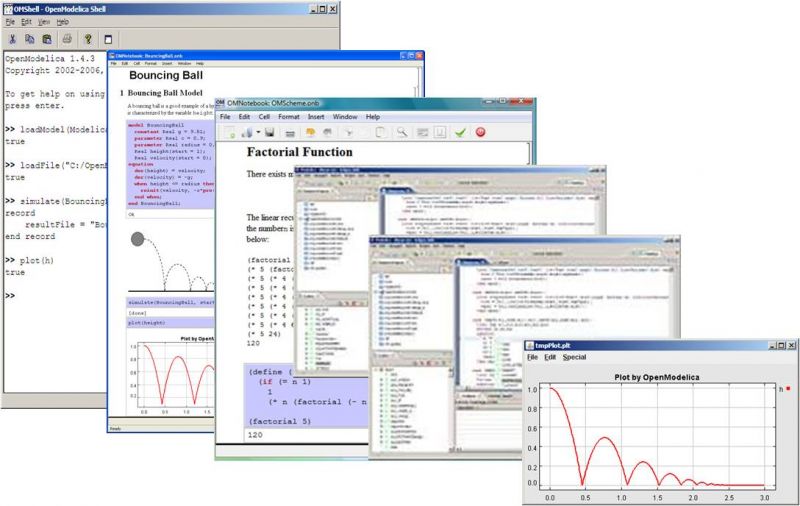
OpenModelica is free and open-source modeling and simulation environment.
It is based on the modelica modeling language.
OpenModelica is used for dynamic simulation and optimization.
4.STOAT
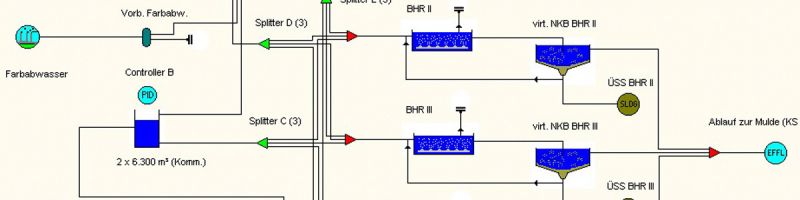
STOAT is used for dynamic modeling of wastewater treatment plants.
It is a dynamic sewage treatment works modelling package.
STOAT can be used for activated sludge systems, biofilm-based processes and sludge treatment modeling.
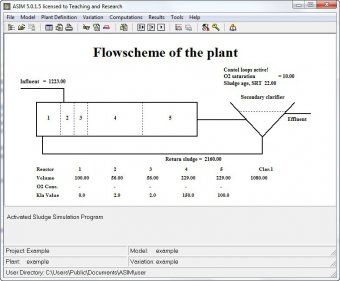
5.Activated Sludge SIMulation Program (ASIM)
ASIM is a simulation program for biological wastewater treatment systems.
It can make models for activated sludge (aerobic, anoxic, anaerobic), sludge return and internal recirculation streams, batch reactors, chemostat reactors…
ASIM differentiates process control loops and dynamic simulation of load variation.
A great ASIM option is a free definition of biokinetic models, enabling specific models to be built.
6.Steady
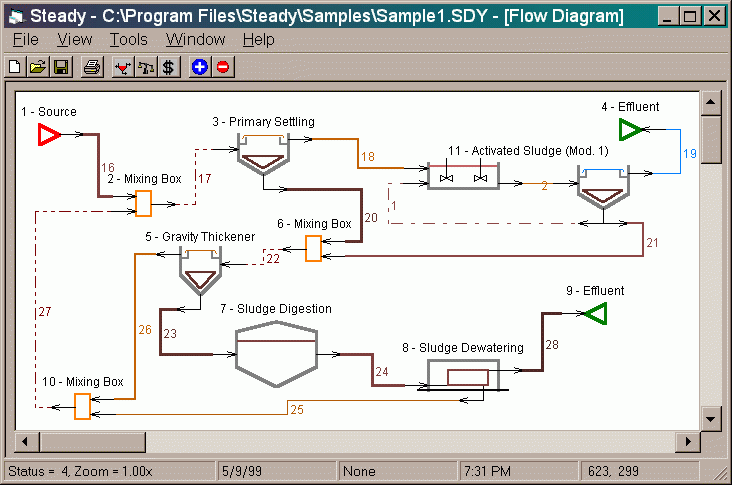
Steady is not open source, but is a free program.
It offers a generalized model of wastewater treatment plants with steady-state conditions for influent, with traditional environmental engineering parameters.
Parameters for each unit can be adjusted so it calculates the mass balance and shows calculations for each unit.
Regarding your question about biochemical oxygen demand (BOD):
It is better to assume higher values of BOD than underestimate them. Moreover, when making a wastewater treatment plant you should take into consideration that with time and population growth, the influent may increase. If higher influent is not predicted in time, the plant will require modifications or an additional one may need to be built.
Additionally, when measuring the BOD values you need to make sure you are measuring them at the time of the day (morning and lunch time) when the water consumption in the city is the highest and therefore they are at their peak.
Hourly measurements are recommended for an accurate status of the BOD peak and the calculations of how the BOD range varies during the day.